Flower Arrangements for the Dining, Coffee and Long Table
Flower Arrangements for Your Table
A flower arrangement for a dining table is a low, wide floral display built to sit at the centre of a meal, keeping stems between 20 and 25 cm (8 to 10 in) tall so that every seated guest sees the faces of the people across from them rather than a wall of stems.
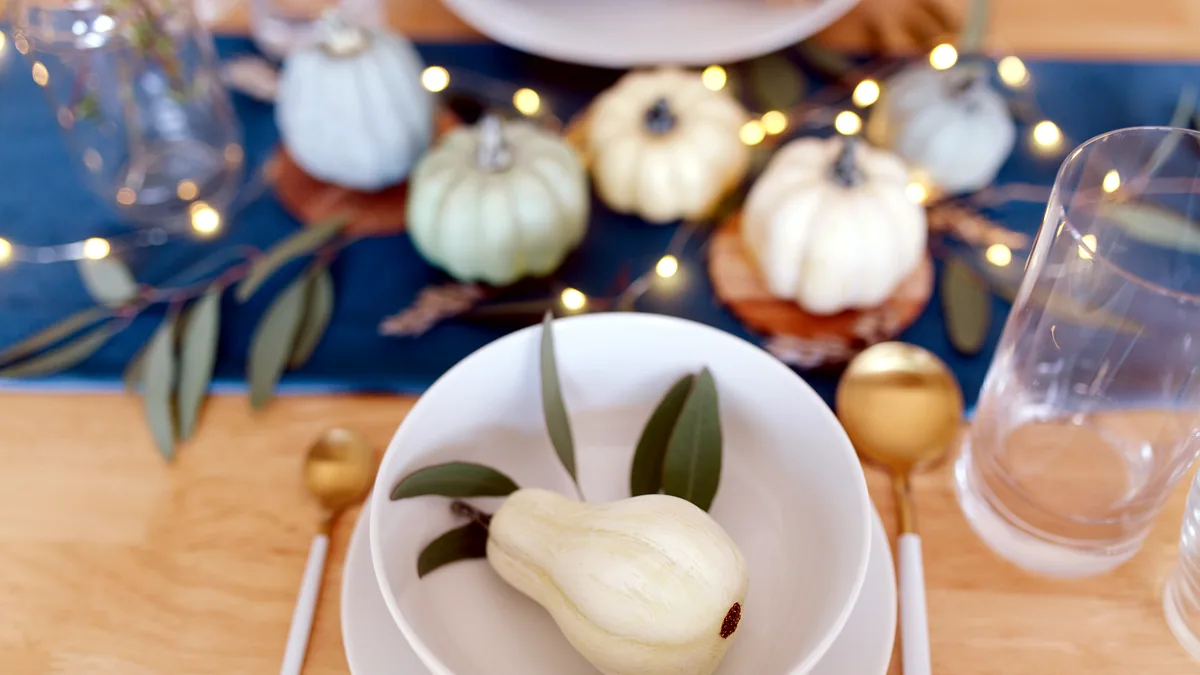
The arrangement uses a shallow bowl, a chicken-wire or frog-plate anchor, and 5 to 9 stems of a single focal flower such as ranunculus, lisianthus or a spray rose, surrounded by 3 to 5 pieces of greenery like eucalyptus, ivy or trailing jasmine. It is the one tabletop setting where the rule is absolute: if you cannot make eye contact with the person opposite, the arrangement is too tall.
Setting a table with fresh stems is one of the most satisfying weekly routines a household can keep, and it doubles as a gentle, low-stakes creative task. People who enjoy Flower Arranging for Seniors often start with a simple dining piece on a Sunday morning and end up with a small studio corner full of snips, vases and a bundle of seasonal stems. A Flower Arranging Class for Seniors at a local community centre or library gives 2 to 3 hours of guided practice with a tutor, enough time to build a full dining arrangement and a matching coffee-table piece before the flowers need fresh water. As the seasons turn, the same techniques stretch into Christmas Flower Arrangements with pine sprigs, holly and berries, keeping the hands busy through the coldest months. For anyone looking for a regular, meditative task that produces something tangible to put on a table, these Hands-on activities for later life fill a real gap between a 10-minute tea and a full afternoon project.
Choosing the right height and container for each table
Choosing the right height and container starts with measuring the table, not the flowers. A dining table set for a meal needs a low arrangement; a coffee table in a living room tolerates a taller, looser piece; and a long table in a dining room or a buffet table called for at a party sits somewhere in between. The table below gives the three most common tabletops a starting point you can apply the first time you reach for a vase.
| Table | Typical width | Max stem height | Container | Sightline rule |
|---|---|---|---|---|
| Dining table | 75 to 90 cm (30 to 35 in) | 20 to 25 cm (8 to 10 in) | Shallow ceramic bowl, 20 cm (8 in) diameter, with a frog plate or chicken-wire insert | Guests must see each other's faces across the table |
| Coffee table | 90 to 120 cm (35 to 47 in) | 30 to 40 cm (12 to 16 in) | Low glass cylinder or wide-mouthed jug, 10 to 12 cm (4 to 5 in) deep | Viewers sit at seated height; stems should not block a television or a window behind the table |
| Long or center table | 180 to 240 cm (70 to 95 in) | 25 to 30 cm (10 to 12 in) per piece | 3 to 5 individual low vases, 12 to 15 cm (5 to 6 in) diameter, spaced 30 to 40 cm (12 to 16 in) apart | Each guest gets a clear line to the next seat; vases never crowd a place setting |
The one rule that ties all three together: the container's diameter should be at least half the total height of the finished arrangement, so the piece looks rooted rather than top-heavy. A 10 cm (4 in) bowl holding 25 cm (10 in) of stems meets that ratio; the same 25 cm of stems in a 6 cm (2.5 in) bud vase does not.
Building a dining arrangement in 7 steps
Building a dining arrangement in 7 steps takes roughly 15 to 20 minutes once the stems are cut and the water is running. You need a sharp pair of snips or a small knife, a bowl of lukewarm water, a frog plate or a square of chicken wire cut to the bowl's base, floral tape, and the stems themselves. Work at a kitchen counter or a sturdy side table so you have room to lay out the greenery before you commit the focal flowers to the wire.
- Trim every stem at a 45 degree angle and strip leaves that will sit below the water line, then stand the focal stems in the bowl to check height.
- Pin the frog plate or chicken wire flat into the bottom of the bowl and fill with lukewarm water to the 3 cm (1 in) mark.
- Anchor 3 stems of the longest greenery (eucalyptus or ivy work well) into the wire at roughly equal spacing, letting the tips trail 5 to 8 cm (2 to 3 in) over the rim.
- Insert the first focal stem straight down the centre, then 2 more at 120 degree intervals to form a flat triangle, keeping the tips level.
- Add 2 to 3 secondary stems (a small spray of lisianthus or a pair of baby's breath clusters) between the triangle points, tucking them 2 to 3 cm (1 to 1.5 in) lower than the focal tips.
- Fill any gaps with short pieces of greenery, pushing them into the wire at a steeper angle so they sit just under the flower line.
- Step back 1 m (about 3 ft), check the silhouette from two seated heights, and rotate the bowl so the fullest side faces the doorway or the window.
For a kitchen table where the arrangement will live for 4 to 6 days between water changes, choose hardier stems: chrysanthemums, carnations and solid-stemmed tulips hold their shape longer than garden roses or peonies, which start to wilt after 2 to 3 days at room temperature.
Spacing and sightlines for a long or center table
Spacing on a long table is where most first-time arrangements fall short, because a single 30 cm (12 in) bowl in the middle of a 2 m (6.5 ft) surface looks lost and forces the guests at either end to look through empty tablecloth. The fix is to break one arrangement into 3 to 5 smaller ones, each sitting in its own low vase. Space the vases so that no two are closer than 30 cm (12 in) or farther than 40 cm (16 in) apart, and keep every vase at least 10 cm (4 in) from a place setting or a charger plate. On a center table set for a buffet, add a 6 cm (2.5 in) border of clear space around each vase so plates and serving spoons slide past without catching a trailing stem. The result reads as one continuous floral line rather than a cluster, and every seated guest keeps a 20 to 25 cm (8 to 10 in) sightline to the person two seats away.
Adapting the same stems for a coffee or living room table
Adapting the same stems for a coffee table or a living room side table means trading the tight, flat dining silhouette for a looser, taller piece that a viewer sees from across a sofa at a 30 to 40 degree downward angle. You can reuse the focal flowers from the dining bowl, but add 2 to 3 extra stems of trailing greenery (trailing jasmine, a sprig of wisteria or a length of ivy) so the piece has movement when seen from a seated position. A 12 cm (5 in) glass cylinder holds the stems, and a pebble or glass-marble layer at the base adds visual weight at the bottom of the vase, which matters more at coffee-table height than at dining height. If the living room gets direct afternoon sun for 3 or more hours, move the vase to a north-facing shelf or swap the water every 48 hours instead of every 5 to 7 days to stop the stems from steaming in the glass.
Caring for the arrangement so it lasts the week
Caring for the arrangement so it lasts the week comes down to water, light and a 10-second check each morning. Top up the water to the original line every 48 to 72 hours, recut each stem by 1 to 2 cm (0.5 to 0.75 in) at the same 45 degree angle, and remove any stem whose petals have turned papery or whose base has gone slimy. A dining arrangement in a ceramic bowl with a frog plate typically holds a fresh, taut look for 5 to 7 days; a coffee-table arrangement in a glass cylinder shows its water line, so the water change is visible and the 48-hour rhythm is easier to keep. In a kitchen where the table sits under a window that opens for air, expect the stems to dry 1 to 2 days sooner than in a living room, and plan the next arrangement around a Tuesday or Wednesday rather than a Sunday to keep the table from going bare over the weekend. Keep the snips, the frog plate and a spare bowl in a drawer under the kitchen counter, and the whole reset takes less time than making a pot of tea.