Delivery-Proof Flower Arrangements That Arrive Intact
Flower Arrangements for Delivery
A flower arrangement for delivery is a small bouquet, a posy or a single-stem bundle built from hardy material and packed so that it survives the 2 to 5 day trip through a postal network and arrives looking close to the day it was made.
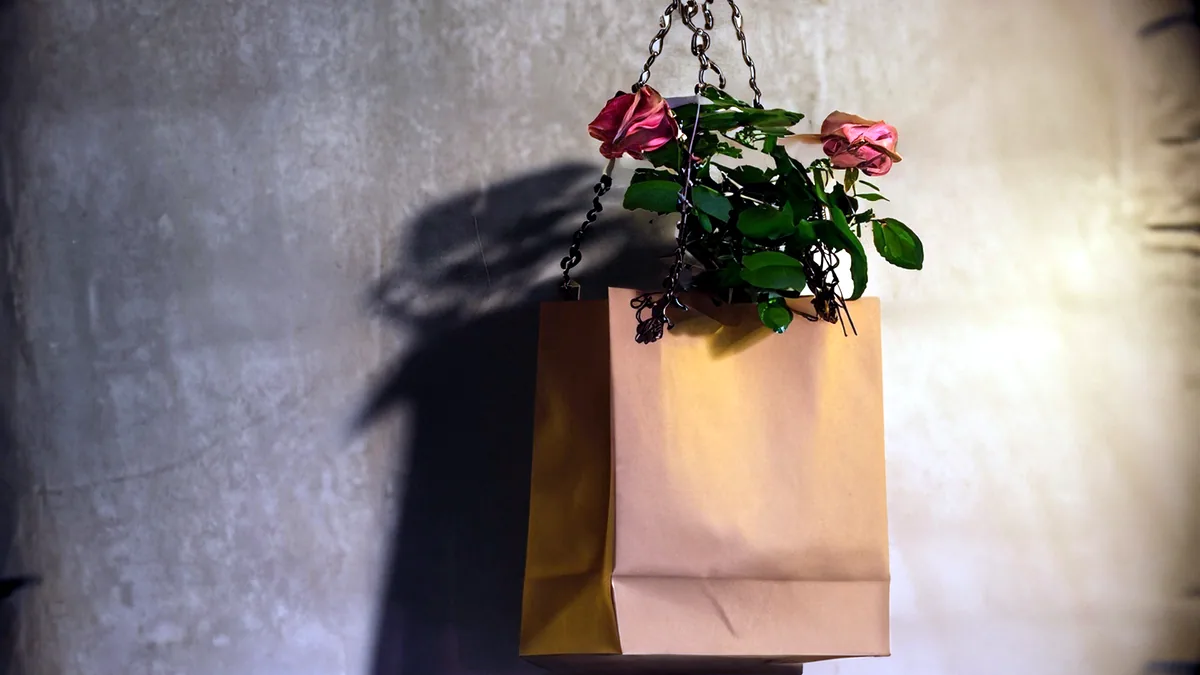
The whole job comes down to two numbers: keep the head of each flower between 4 and 9 cm across so a hand can cup it, and keep the finished package under 4 kg, the weight a postal counter will lift without a surcharge. Everything below is a working method, with the materials, the step-by-step build and the packing sequence, so that a person can pick this up and send flowers by post or courier with confidence.
The method is also a social bridge. A parcel of flowers that arrives intact does three jobs at once: it says a person is being thought of, it gives the recipient an object to tend for a week or two, and it starts a reply. A Flower Arranging for Seniors activity built for the mail carries the same three jobs, and the people who benefit most are the ones with the least mobility. The point is that a mailed stem can reach a recipient who cannot leave the house, and a A Flower Arranging Class for Seniors session can end with a package already on its way to a friend across the county.
Choose stems that take a delivery
To choose stems that take a delivery, pick species with a woody or semi-woody stem and a flower head that has already set, because those two traits are what let a flower keep its shape in a cardboard tube for 48 hours or more. Soft, freshly opened blooms collapse in transit; hardy, already-formed heads hold their line. The list below is a working set, with the trait that makes each stem survive the post.
- Roses, which carry a woody 60 cm stem and a 7 cm head that keeps its shape
- Chrysanthemums, whose dense 9 cm pom-pom head shrugs off a 3 day journey
- Lilies, with a thick 70 cm stalk and a bloom that opens slowly over 5 days
- Gerberas, a single 6 cm disc on a hollow 55 cm stem that resists bending
- Sunflowers, the heaviest head at about 10 cm, needing a wide tube
For a mixed arrangement, pair 3 hardy stems with 2 soft ones such as a spray of eucalyptus or a few freesia, so the sturdy stems carry the weight and the soft ones add scent. This 3 to 2 ratio is the same balance a A Flower Arranging Class for Seniors class teaches at the bench, and it is what keeps a mailed bouquet from arriving as a bruised lump.
Match the vase to the stems and the courier
To match the vase to the stems and the courier, size the container to the heads and to the weight limit of the service. A postal counter accepts a parcel up to about 4 kg, and a courier van accepts up to 20 kg, so the vase you choose sets the ceiling on how many stems you can include. The table below lines the 3 most common delivery situations against the vase and the stem count that fit each one.
| Delivery situation | Vase to use | Stem count | Head size |
|---|---|---|---|
| Standard post, 3 day service | Ceramic 4 cm wide, 12 cm tall | 5 to 7 stems | 4 to 6 cm |
| Courier, next day | Glass 8 cm wide, 20 cm tall | 9 to 12 stems | 6 to 9 cm |
| Local hand carry, same day | Any, wrapped in a box | Up to 15 stems | Up to 10 cm |
Fill the vase with 4 cm of water and drop in 1 flower food sachet per 500 ml, then place the vase upright in the base of the box. A heavier ceramic base keeps the package from tipping, which is why a ceramic vase suits standard post even though it is heavier than glass.
Build the arrangement end to end
To build the arrangement end to end, work in 6 fixed steps from the first stem to the finished head, keeping the whole head within the 4 to 9 cm range so the package stays mailable. The steps below are the order a maker follows at the bench, and each step has a number or a size attached so the result is repeatable.
- Strip the lower 20 cm of leaves from every stem, leaving the stem bare below the head
- Cut each stem at an angle to 60 cm, a length that reaches from the vase base to the top head
- Place the 3 tallest stems 10 cm apart in the centre of the vase
- Fill the gaps with the 2 short stems, tucking them between the centre group
- Wrap the bouquet head with a 40 cm square of damp newspaper to lock the shape
- Stand the whole head 12 cm above the vase mouth so it sits level in the box
After the 6th step the head should measure no more than 9 cm across; if it is wider, drop 1 stem and rewrap. This is the same trim-and-check a maker does at the end of a A Flower Arranging Class for Seniors session, and it is the difference between a bouquet that arrives standing and one that arrives leaning.
Pack the box so it arrives intact
To pack the box so it arrives intact, build a 3 layer system around the arrangement, because each layer stops a different kind of damage. The outer box takes the courier's handling, the inner sleeve stops the vase from sliding, and the padding around the heads stops the blooms from knocking together. The 3 layers, in the order you build them, are set out below.
- The base layer, a 5 cm bed of crumpled paper at the bottom of the box to absorb a drop
- The sleeve, a cardboard tube that holds the vase and stems upright so nothing shifts
- The head layer, 2 cm of foam or air bubble wrapped around the flower heads to cushion them
Seal the box with 10 cm of strong tape along each of the 4 edges, and write the address on the top and the side. A package that is 30 cm by 30 cm by 30 cm is the largest a standard postal counter will accept, so keep the box at or under that on every side. This 30 cm cube is the same ceiling that limits the vase size in the table above, so the two numbers stay in agreement from build to post.
Send it and follow the journey
To send it and follow the journey, hand the box to the courier on the day you build it and track it for the full 2 to 5 day window, because a flower is a perishable parcel and the clock starts at the counter. Choose a 3 day standard service for a parcel under 4 kg, or a next day courier for a heavier package up to 20 kg. Keep the phone number of the recipient on the label so the driver can call if the address is unclear. If the tracking shows the parcel sitting still for 1 day, call the depot before it misses the 5 day freshness window, and ask them to re-scan or to hand-carry it.
What to do with flowers that still arrive
To make the most of flowers that still arrive, give the recipient a simple 3 step care note, because a delivered bouquet only works as an activity if it survives the first 7 days on a shelf. The 3 steps, printed on a card that goes in the box, are short enough to follow and specific enough to work.
- Recut every stem by 2 cm at an angle on the day the parcel arrives
- Change the water in the vase and add 1 sachet of flower food every 3 days
- Move the vase away from a radiator and direct sun so the heads last the full 7 days
These 3 steps keep a hardy bouquet alive for 7 to 10 days, which is long enough for a mailed posy to become a small routine. For a recipient who lives alone, that routine is the real gift, and it is why a mailed arrangement is a lasting thing. The same logic runs through a A Flower Arranging Class for Seniors group, where the goal is not only to send flowers but to build a habit, and it is why Christmas Flower Arrangements made in December are the one time a year a mailed bouquet is expected to arrive by a fixed date. The method holds in any month: hardy stems, a 4 to 9 cm head, a 3 layer box, and a care note, so the parcel is a practical thing a person can pick up and send, and a gift that still reaches the recipient after the journey.