Hands On Activities for Elderly People to Make and Do
Activities for elderly people
Activities for elderly people are 12 hands-on tasks a person can pick up, make, or do with the materials already in a kitchen, a care home lounge, or a community hall.
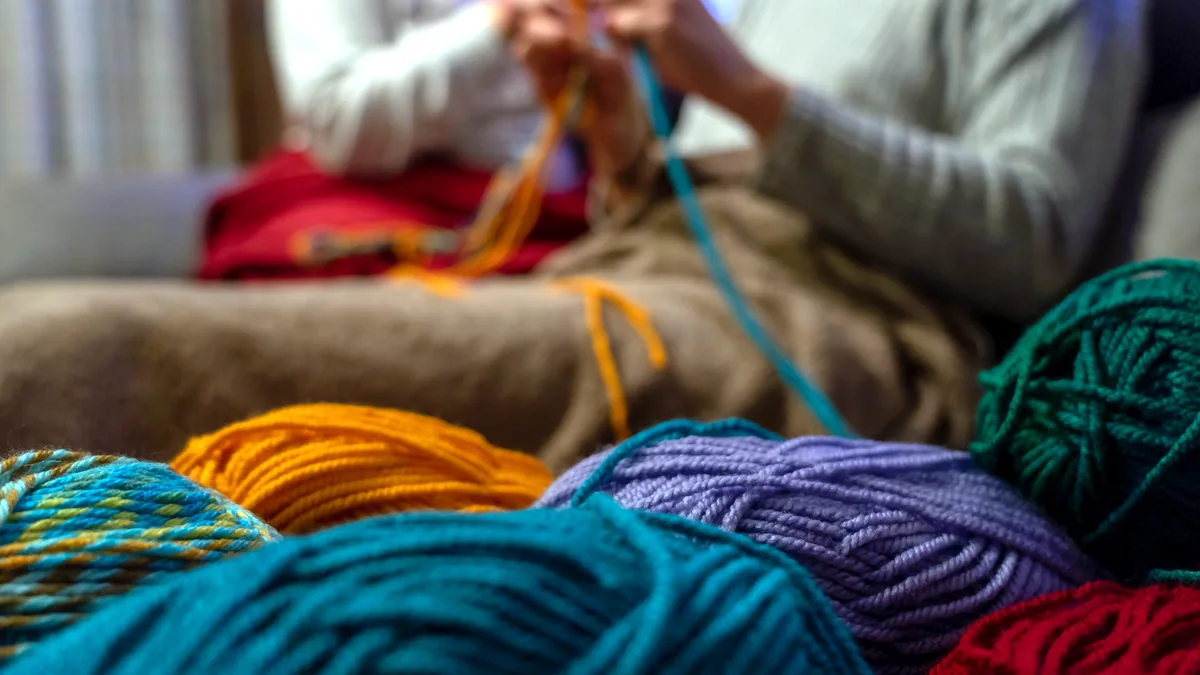
They split into 3 sensory or social jobs: keeping a steady hand working, filling a group hour with shared conversation, and producing a finished object someone else can hold. Each activity below names the materials, the steps, and which of those 3 jobs it serves, so a caregiver, a resident, or a family visitor can choose one and start within 5 minutes.
Caregivers often ask which tasks survive the later stages of memory loss and which ones need a room full of people. The answer depends on whether the activity is a solo making project, a Group activity that fills a day, or a Gift elderly people can make for a relative. Activities that still reach them in the final years tend to be tactile and short, while group formats need a clear 10 minute rhythm and 2 to 3 simple steps at a time. The sections below cover both, starting with the solo set and moving to the room-sized versions used in nursing homes and care homes.
Solo making activities a resident can finish in one sitting
Solo making activities for elderly people take between 10 and 40 minutes and need a table, a lap pad, and no more than 4 tools at once. They work best for residents who spend most of the day in a single room or who have arthritis that limits sustained grip. The finished object is the point: a card, a bookmark, a small plant, or a stitched pouch. Each activity below is one you can set up with items under 2 pounds at a pharmacy or a craft shop.
Paper card making
Card making uses A5 card, a glue stick, 3 to 5 dried flower petals, and a marker. Fold the card along the 14.8 cm centre line, press the petals onto the front with the glue stick, and write one line on the inside. The fine motor work is in the folding and the petal placement, and the social purpose is giving the resident a physical object to hand to a visitor or a family member. Most care home residents finish 2 cards in a 20 minute session, and the cards stack in a tin on the bedside table as a visible record of the morning.
Wound yarn bookmarks
Wound yarn bookmarks start with a 15 cm wooden lollipop stick and 30 cm of thick wool. Wrap the wool around the stick in a tight spiral, leaving a 2 cm tail at the top, then fold the tail over the top edge and tuck it under the last wrap. The repetition trains a steady circular hand motion, and the finished bookmark is small enough to clip into a bedside book. A resident with early-stage dementia can typically manage 4 wraps before needing a break, and the 15 minute task gives a clear start and end.
Pressed-leaf frames
Pressed-leaf frames need a 10 cm by 10 cm square of card, a leaf or small twig, and double-sided tape. Press the leaf flat between two sheets of paper for 24 hours, then peel it away, lay it on the card, and tape the edges. The waiting step (1 day) gives the resident a reason to check back the next morning, and the finished frame goes on a shelf or the fridge door. The tactile sorting of leaves from a garden bag engages touch and smell before the making begins.
Group activities that fill a day in a care or nursing home
Group activities for elderly residents run on a 30 minute block with a 10 minute break, and a typical lunchtime schedule stacks 4 blocks into a 3 hour window. They work in a lounge or a day room with a table that seats 6 to 12 people, and each block needs a facilitator plus 1 to 2 helpers for residents who need physical support. The social job here is not the object on the table but the shared task: everyone is doing the same 3 steps at the same pace, which gives conversation a natural structure.
Finger painting and tissue collage
Finger painting and tissue collage sessions use 1 A4 sheet per person, 6 small pots of washable paint, and pre-cut squares of tissue paper in 4 colours. Residents dip one fingertip at a time and press dots onto the sheet for the first 10 minutes, then layer tissue squares over the wet paint for the next 10. The sensory load is high: 2 hands, 6 colours, wet and dry textures. A group of 8 residents finishes one sheet each in 30 minutes, and the sheets pin to a wall rail so the room fills with 4 or 5 weeks of colour. This format is common in nursing homes because the paint washes out of standard care-home laundry, and the only clean-up is paper towels.
Basket weaving with pre-cut strips
Basket weaving uses pre-cut 3 cm wide paper strips in 3 colours and a 20 cm base square already punched with 9 holes. The rule is over-one, under-one, and the facilitator demonstrates the first 4 strips before residents take over. A group of 10 works on the same base pattern, and the finished mini-basket holds 2 or 3 small items. The 40 minute session fits the 30 minute block plus a 10 minute break, and the weaving motion keeps both hands occupied so residents do not need to hold a conversation track while their hands sit still. Homes that run this twice a month report that residents finish 1 basket in the first session and 2 in the second, which gives a visible rate of progress.
Memory story circles
Memory story circles need no materials beyond a box of old photographs or a printed list of 5 decade-specific prompts (a 1950s kitchen, a 1960s dance, a 1970s car). The facilitator reads one prompt, and each resident adds one sentence to a shared story. The social purpose is verbal recall and turn-taking, and the sensory purpose is the 20 minute window of sustained listening that many residents get in no other part of the day. A circle of 8 runs in 25 minutes, and the printed prompts keep the format free and repeatable at zero cost beyond the paper.
Gift making: objects elderly people can pass on
Gift making for elderly people turns a making session into a social event with a deadline: the object has to reach a specific person by a specific date. That deadline changes the room. A resident who makes 3 small gifts for 3 grandchildren over 2 weeks has a reason to attend every Tuesday session, and the gifts carry the resident's hand into a household that sees them on a shelf. The 3 formats below are the ones care home activity coordinators report as most requested by families.
Scented soap bars
Scented soap bars use a 250 g glycerine block, 2 drops of essential oil, and a mould. Melt the block in a double boiler for 4 minutes, stir in the oil, pour into the mould, and wait 30 minutes for the bar to set. The scent (lavender, lemon, or eucalyptus) is chosen by the resident, and the 4 minute melt window keeps the task inside a single sitting. A resident makes 4 bars in one session, and the 30 g bars fit in a padded envelope for a 1.50 postage. The smell of the melting glycerine fills the room during the session, which gives the whole group a shared sensory anchor even for residents who sit at the edge and do not pour their own.
Stitched fabric coasters
Stitched fabric coasters start with a 12 cm square of cotton, a 12 cm square of felt, and a thick needle with a 20 cm cotton thread. Sandwich the felt inside the cotton, fold the raw edges in by 5 mm, and run a blanket stitch around all 4 sides. The stitch takes 15 to 20 minutes, and the finished coaster is 12 cm by 12 cm, sized for a standard teacup saucer. Residents with a steady hand finish 3 coasters in a 45 minute session, and the blanket stitch is forgiving enough that a missed loop does not pull the whole edge. The gift works best for a daughter or a niece who keeps the coaster under a daily mug.
Pressed-flower greeting cards for a named date
Pressed-flower greeting cards reuse the 24 hour leaf-pressing step from the solo section but add a date line on the inside: "For your birthday, 14 June." The 10 cm card is folded, one pressed petal or leaf is glued to the front, and the inside carries one handwritten sentence. Because the pressing starts the day before, the resident has a morning task (check the press, peel the leaf) and an afternoon task (fold, glue, write), which splits the work into 2 short sessions instead of one long one. A resident who makes 5 cards over 2 weeks has 5 named recipients and 5 reasons to look forward to the next session.
Setting up a weekly activity schedule at home or in a home
Setting up a weekly activity schedule for elderly people at home or in a care home follows a 3-day rotation: 1 making day, 1 group day, 1 sensory day. The making day holds the solo projects (cards, bookmarks, soap bars) in the morning when hands are steadiest. The group day runs the 30 minute blocks from the group section in a lounge or kitchen table. The sensory day is lower effort: a 15 minute walk to a garden for leaf collection, a 10 minute session sorting dried herbs by smell, or a 20 minute listening block with 3 recorded songs from a named decade. This rotation keeps the 3 sensory and social jobs in balance across the week and prevents any single format from becoming a routine that loses its pull. A printed schedule on the fridge or the lounge wall, updated every Monday, gives residents and staff a shared 7 day frame. The cost of a full week of materials is under 5 pounds, and the 3-day cycle repeats with new prompts each fortnight so the same table, the same hands, and the same group keep meeting for a new 30 minutes.
| Activity | Materials (approx. cost) | Time per session | Sensory or social job | Best setting |
|---|---|---|---|---|
| Paper card making | A5 card, glue stick, dried petals, marker (1.50) | 20 min | Fine motor + giving object to a visitor | Bedside, lounge, home kitchen table |
| Wound yarn bookmarks | 15 cm stick, 30 cm wool (0.75) | 15 min | Repetitive hand motion, clear start and end | Bedside, armchair |
| Finger painting / tissue collage | A4 sheet, 6 paint pots, tissue squares (3.00) | 30 min | High sensory load, shared group task | Nursing home day room, care home lounge |
| Basket weaving | Pre-cut paper strips, base square (2.00) | 40 min | Two-hand coordination, group pace | Community hall, care home dining room |
| Memory story circles | Printed prompt list, old photos (free to 1.00) | 25 min | Verbal recall, turn-taking, listening | Small group of 8, any room |
| Scented soap bars | 250 g glycerine block, oil, mould (2.50) | 30 min plus 30 min set | Scent anchor for the room, gift with deadline | Kitchen, care home kitchen |
| Stitched fabric coasters | 12 cm cotton and felt squares, thread (1.50) | 45 min | Steady hand, gift for a named relative | Home table, lounge |
| Pressed-flower cards | 10 cm card, pressed leaf, tape (1.00) | 15 min after 24 h press | Two-session structure, named recipient | Garden, kitchen, bedside |