Hands On Activities for Elderly Day Centres
Group activities that fill a day
Activities for elderly day centres are a planned set of hands-on tasks that a group of older adults sits down and does with their own hands across the whole day.
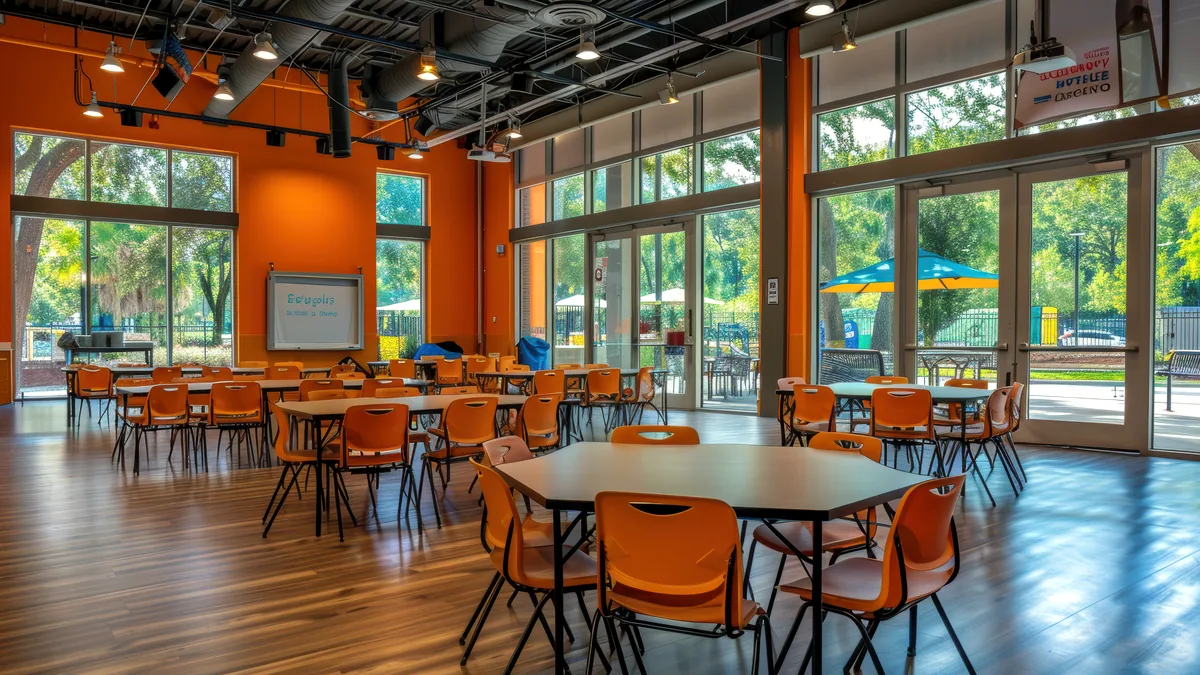
A typical shift runs 10 am to 3 pm, with 3 to 5 named activities in the rota, each built to be picked up by anyone who walks in, including the resident who arrived at 1 pm after lunch. The unit is a session, not an event: it has a start time, a named material pack, a group size the room can hold, and a purpose that is social as much as physical. This page defines one of those sessions end to end, from the tray of materials to the moment the group stands up, and then works through the four session types that most centres run every week.
The first session type is the craft block. The standard craft block is a paper craft that ends in 3 or more finished items, such as a set of greeting cards, a folded paper fan, or a paper chain for the hallway. The materials for 12 people fit in 1 tray: 24 sheets of A4 card, 12 strips of masking tape, 4 pots of washable paint, 12 pens, and 4 pairs of scissors. The social purpose is shared attention on one visible object, which keeps a group talking without anyone being asked for opinions. This block is a core part of Activities for elderly people because it produces something each person carries out of the room, and that finished item does most of the talking on the way home.
What goes in the day, in order
A day at a day centre is a sequence, and the order of the sequence is what makes the difference between a day and a list of events. The table below is the rota one small centre in Leeds runs on a Tuesday, and it is the shape most others copy.
| Time | Activity | Group size | Materials |
|---|---|---|---|
| 10:00-10:30 | Welcome coffee and news | Whole room, up to 20 | Mugs, printed news sheet |
| 10:30-11:30 | Paper craft block | 12 at one table | Card, tape, paint, pens, scissors |
| 11:30-12:00 | Walking break outside | Whole room | Walking poles for 6 |
| 12:00-13:00 | Lunch with conversation prompts | Whole room | Printed prompt cards |
| 13:00-14:00 | Memory and music circle | 15 in a semicircle | Radio, 12 song prompts |
| 14:00-15:00 | Sorting and fine-motor task | 8 at two tables | Beads, string, buttons |
The rota holds 5 blocks between 10 am and 3 pm, which is the range most centres land on once they have tried more or fewer. The blocks alternate seated and standing, and loud and quiet, so the room does not fatigue. The craft block sits early, because the hands are fresh, and the fine-motor task sits late, because it is the gentlest of the lot and needs a settled group.
Group sizes the room can hold
The group size is set by the table, not by the activity, and the numbers below are the ones the room actually holds. A standard craft table seats 12 with room to spread the tray, and a music circle takes 15 in a semicircle with no one standing behind the back row. The walking group caps at 8, because 2 people on walking poles need the space of 4 without poles. The whole room holds 20, which is the number the fire certificate allows and the number the kitchen can feed on time. If a block needs more than the room holds, the centre runs it in 2 waves rather than crowding the table, and a wave is 15 minutes, so the second wave starts at 11:45 and the first at 11:30. The planner keeps a card at each table with the cap written on it, because the room fills unevenly and the card is the only thing that stops it overfilling.
Why 12 at the craft table
The number 12 works at the craft table because 12 people fit around one tray without reaching over a neighbour, and the tray holds exactly enough for 12. When a table holds 14, the 2 people at the end reach across the middle of the tray for the paint, and the reaching is where the spills happen. The 12 cap is also the number at which one helper can watch the whole table, because a helper can see 12 hands across one surface and cannot see 16. If a centre has a bigger table, it splits into 2 tables of 6 rather than seating 14 at one, because the tray math does not scale up.
Materials for the standard session
The materials list is short on purpose, because a long list is a list that runs out mid-session. The standard craft pack for 12 people is the list above, and the standard fine-motor pack for 8 people is 4 boxes of small beads, 4 lengths of string at 60 cm each, 1 bag of buttons in 3 sizes, and 8 needles with large eyes. The music circle needs only a radio and 12 song prompt cards, one per name on the seating list, and the prompts are printed at a size the room can read from the back. The sorting task uses everyday items, such as a box of coins, a bowl of lentils, and a stack of old envelopes, because the familiar item is what brings the group's own memory to the table. The planner buys the packs in 4-week quantities, so the same 12 people get the same materials every Tuesday, and the familiarity is part of why they keep coming back.
What a week of packs costs
The weekly materials cost for a 20-person room is small and steady. The craft pack for 12 is about 8 pounds, the fine-motor pack for 8 is about 5 pounds, and the prompt cards print at 2 pounds a week, so the weekly total for a single rota is 15 pounds and the monthly total is 60 pounds. The numbers are the sort a volunteer treasurer can write on a single page, which is why this rota survives on a small budget. The cost is the price of the paper and the paint, not the price of the hour, and the hour is the part the room gets free.
The social purpose, made specific
The purpose of a day-centre session is not the finished item, because the finished item goes in a pocket and is forgotten by the next day. The purpose is the 60 minutes of shared attention that the materials create, and that 60 minutes is what the participant carries home as the reason to come back. The craft block gives 12 people a reason to look at the same tray, the music circle gives 15 people a reason to sing the same 12 songs, and the sorting task gives 8 people a reason to talk about the coins they remember paying for with. Each block names the purpose on its card, so the helper who takes over mid-day can read the card and know what the group is working toward. The social purpose is the point, and the materials are only the thing that makes it happen.
Adapting for later life
As the group ages, the same block changes hands and changes pace, and the changes below are the ones the room makes without changing the rota. The paper craft keeps its 12 cap but the tray moves to a table with a higher edge, so the person at the end does not reach as far. The beads in the fine-motor pack get larger, and the string gets shorter, from 60 cm down to 40 cm, so the task ends in a smaller finished item that a slower hand can still finish. The music circle keeps the 12 prompts but plays them at a lower volume, because the room hears the radio but the person in the back row hears the neighbour. These are the same sessions with the pace changed, and they are the difference between a block that still works and one that has quietly stopped. For the group in the late 80s, the block becomes a pair task of 2, because 2 people at a task share the reaching and the remembering, and the pair is the unit that keeps the later-life group in the room. This is the core of Hands-on activities for later life, and it is why the rota does not change at all, only the hands that run it.
Running the day from 10 to 3
Running the day is the 30-minute job at the top of the rota, and it is the job that makes the other 5 blocks happen on time. The planner checks the 4 cards at the top of the rota before 10 am, checks the 1 tray and 1 bag of materials before 10:30, and checks the walking group's 6 poles before 11:30. The day runs on the clock, not on the energy, so the block that was planned for 13:00 starts at 13:00 even if the lunch ran long. The 5 blocks hold 20 people in a room from 10 am to 3 pm, and the number 5 is the number that fills the day without filling it too full. The centre that runs 4 blocks has an hour with nothing in it, and the centre that runs 6 has a table that cannot clear, so 5 is the number the room settles on. This is the day, end to end, and it is the shape the planner is trying to hold.
On the weeks the room is quiet, the same rota carries the group, and on the weeks the room is loud, the same 5 blocks carry the group back to the table. The blocks are the stable part, and the group is the part that changes, so the planner writes the rota once and reuses it for the year. The 20 people who walk in at 10 am and walk out at 3 pm are the same 20 people the rota was built for, and the 15 pounds a week that buys the paper and the paint is the price of the 60 minutes of shared attention that keeps them coming back.