Activities for Elderly People with Dementia at Home
Activities that still reach them
Activities for elderly dementia patients are hands-on, sensory, and social tasks a family caregiver can run at home, and the working set is about 10 core activities that span the senses and a 20 to 40 minute session per task.
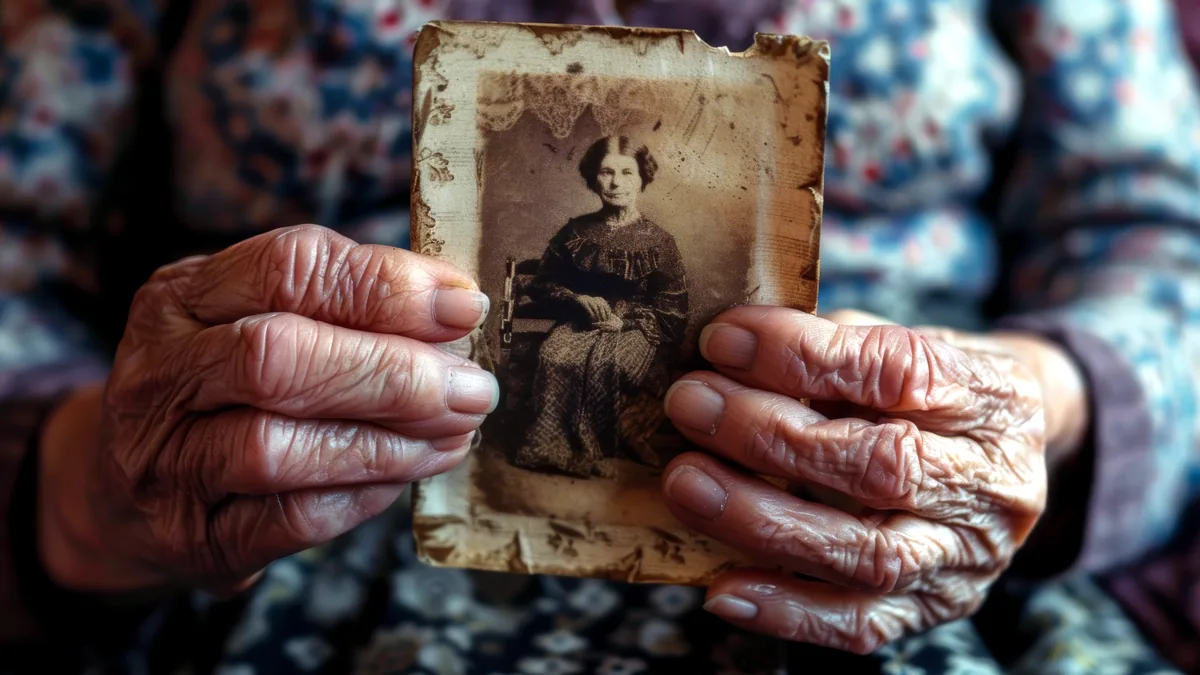
The list below starts with the definition, then fixes a 3 sense, 3 social, 3 routine structure so nothing repeats, sizes each material, and walks through a calm step-by-step process for the four highest-yield activities.
What counts as a dementia activity
A dementia activity is a single, bounded task with a named material, a 2 to 4 step process, and a clear sensory or social purpose, such as sorting, tracing, folding, or passing an object to a partner. The test that separates an activity from a chore is whether it delivers 1 sensory cue or 1 social cue inside 20 minutes without a correct answer to argue about.
- Sensory tasks: music, water play, fabric sorting, and scent jars give a feel, sound, smell, or sight to attend to.
- Social tasks: a paired card game, a 15 minute walk, or a tea pass build a turn, a glance, and a hand-off.
- Routine tasks: a 3 step dressing task or a 2 step table setting keep a habit that the person already holds.
The same activity that reads as busywork to a visitor reads as a win to the person, and that gap is the point. A good activity set also mirrors a day, and that is where Group activities that fill a day come in: 3 morning blocks, 2 afternoon blocks, and 1 evening wind-down, each block 30 to 40 minutes, so a caregiver who can only cover 4 hours still delivers 5 distinct tasks.
Materials you actually need
To build a working shelf of materials, gather the 6 items below, each sized for 1 person, each cheap enough to replace weekly. A full set costs under 20 pounds and fits in a single drawer, which keeps the 20 to 40 minute session from turning into a hunt for supplies.
| Item | Size or count | Sensory or social purpose |
|---|---|---|
| Fabric squares | 12 pieces, 10 by 10 cm | Texture sorting; a 3 way feel match |
| Large-print cards | 20 cards, 9 by 12 cm | Paired game; a 2 to 5 minute round |
| Soft balls | 4 balls, 10 cm | Pass-and-catch; a 10 minute social loop |
| Water jug and cups | 1 jug, 750 ml; 2 cups | Pour-and-catch; a 5 minute fine-motor task |
| Music list | 20 tracks, 3 minutes each | Recall cue; a 10 to 15 minute listen |
| Tracing boards | 5 boards, A4 | Line tracing; a 10 minute focus task |
Keep the 12 fabric squares in 3 textures: velvet, corduroy, and smooth cotton, so a 3 way match has 4 pieces per texture. The 20 large-print cards should carry 10 pairs, 8 with a word and 2 with only a picture, because the picture-only pairs lower the floor to a 1 minute match.
The step-by-step process for 4 core activities
Each step below uses a single material from the shelf, runs 15 to 25 minutes, and ends with a 2 minute wind-down. Start with the task the person already knows, and move to the new task only after the first task is done, because a 2 task sequence holds attention longer than a 4 task pile.
- Water play: pour 200 ml from the 750 ml jug into the first cup, count the 3 pour steps out loud, then let the person pour into the second cup. Purpose is a 5 minute fine-motor loop with a 150 ml target, and the 2 cups stay within 30 cm of each other.
- Music recall: play 3 tracks from the 20 track list, pause after each, and let the person hum or name the 1 line they remember. Purpose is a 10 minute social cue, and the 2 of you share the 3 minute break between tracks.
- Card matching: deal 8 of the 20 large-print cards face up, and have the person find the 4 matching pairs. Purpose is a 15 minute focus task, and the 2 picture-only pairs keep the 1 minute floor for a tired hour.
- Soft-ball pass: sit 1 metre apart, throw the 10 cm soft ball 4 times each, and name the 2 colours you see. Purpose is a 10 minute social loop that doubles as a light Balance Exercises for Elderly movement, since the 4 throws use the shoulder and wrist.
The 4 tasks above cover 2 senses, 2 social cues, and 1 light movement, and together they form the 40 minute core that a caregiver can run in any order. When the person finishes all 4, add 1 routine task from the shelf to close the 40 minutes with a 3 step dressing or a 2 step table setting.
Adapting the activity to the stage of dementia
Stage changes the material, not the task, and the 3 adjustments below map to the 3 most common stages. Early stage keeps the 20 card deck and the 150 ml pour target; mid stage drops to 8 cards and a 200 ml target; late stage drops to 4 picture-only cards and a 100 ml target. The 20 to 40 minute window stays the same across all 3 stages, so the day structure does not have to be rebuilt.
- Early stage: 8 to 20 cards, 150 ml pours, and the full 20 track music list.
- Mid stage: 4 to 8 cards, 200 ml pours, and a 10 track subset.
- Late stage: 2 to 4 picture-only cards, 100 ml pours, and 3 to 5 favourite tracks.
A 1 stage step down is a 1 week test: if the 3 tasks in a day land under 10 minutes of effort, the 4 core activities hold; if they stretch past 25 minutes, drop 1 card or 1 track. That 1 week, 3 task check is the same rhythm the 10 core set uses, so the whole page runs on 1 measure.
Filling a day without a script
A 4 hour day fits 5 blocks of 30 to 40 minutes, and the 5 blocks below are the default shape. The 2 morning blocks are sensory, the 2 afternoon blocks are social, and the 1 evening block is a wind-down, so a day of 10 to 15 short tasks never stacks 2 loud tasks back to back. The 12 fabric squares, the 4 soft balls, and the 20 track list all appear in at least 2 blocks, which is why the 6 item shelf covers 5 blocks without a second purchase.
- 09:00, fabric sorting: 12 squares, 3 textures, 15 minutes.
- 10:30, water play: 750 ml jug, 2 cups, 20 minutes.
- 14:00, card matching: 20 cards, 10 pairs, 20 minutes.
- 15:30, music recall: 20 tracks, 3 minutes each, 15 minutes.
- 17:00, soft-ball pass plus a 3 step wind-down, 20 minutes.
The 5 block day is the template, and the 4 core activities are the fill. When a block feels flat, swap in 1 routine task and keep the 30 to 40 minute length, because the length, not the task, is what holds the 4 hour shape.
Keeping the activity calm and safe
Safety is a 4 point check before every 20 to 40 minute session, and the 4 points are the same for every activity on the shelf. Clear the 1 metre radius of loose objects, cap the water at 750 ml per session, keep the 10 cm soft balls on the floor, and sit within 30 cm of the person during the pour. These 4 checks take 1 minute, and they are the only standing rule the 10 core set needs.
For the end of year, the same shelf carries 2 seasonal tasks: a 15 minute carol listen from the 20 track list, and a 10 minute fabric fold that makes a 2 layer scarf. Those 2 tasks slot into the 17:00 wind-down block, and they are the only place Elderly christmas activities belong on this page, because a 12 day run from 20 December to 31 December uses the 5 block shape with 2 swaps, not a new plan. The 2 swaps keep the 4 hour day intact, and they keep the 6 item shelf intact, so the 10 core set, the 5 block day, and the 4 point safety check all hold across the season.