Art & Craft Projects for Older Adults: Make Something by Hand
Art & Craft Projects for Older Adults
Art projects for elderly people are hands-on art and craft activities built from everyday household materials, each finished in 20 to 90 minutes, and each one chosen for the sensory or social purpose it serves while the person makes it.
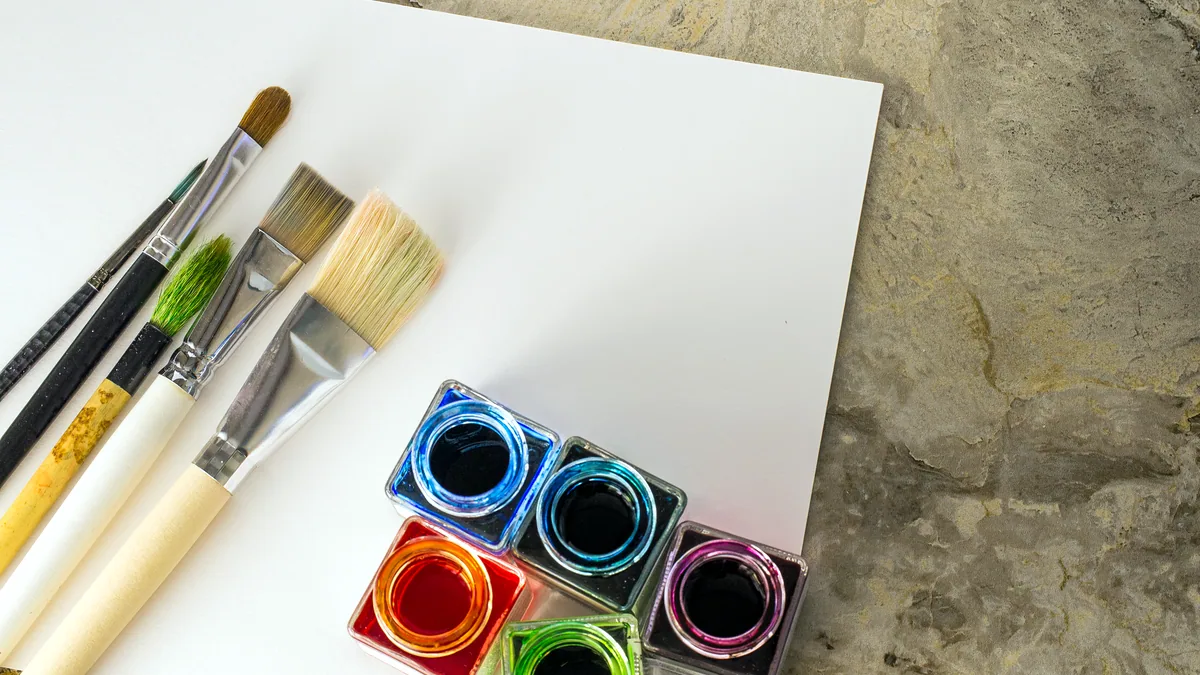
A good set covers 5 core projects: an eggshell mosaic, a painted fabric wall hanging, a candle making session, a button and ribbon keepsake, and a seasonal card. Every one of these is a practical thing a person can pick up and finish by hand, and together they double as a simple art therapy routine at home. If you only have 1 hour in a day, pick one project and keep the tools on the same table for the next 3 sessions. A beginner searching to Find a Candle Making Class near them will find most local craft centres run a 3 hour class for 20 to 30 pounds, which is a fair entry price before you ever buy a candle kit.
What makes an art project work for older adults
An art project works for an older adult when it fits 3 conditions: it uses materials that are already at hand, it has a finish line you can point to, and it gives the hands something to do with the eyes or the company doing the watching. The 5 projects below are ordered by the senses they engage. Eggshell mosaics train fine motor control and the sense of touch. Wall hangings give colour vision a long, slow target. Candles give scent and warmth. Keepsake buttons and ribbons give a story to tell. Seasonal cards give a reason to post something. Each section lists the exact materials, the step-by-step process, and the sensory or social purpose, so you can copy it straight away.
| Project | Core materials | Time to finish | Primary purpose |
|---|---|---|---|
| Eggshell mosaic | 3 used eggshells, a glue stick, a small paintbrush, 1 sheet of card | 45 minutes | Fine motor control and touch |
| Fabric wall hanging | 1 old cotton T-shirt, 2 fabric paints, a 10 cm square of backing fabric | 60 to 90 minutes | Colour and a finished object to display |
| Candle making | 1 beeswax or soy wax candle kit, 2 wicks, a saucepan | 90 minutes | Scent, warmth and a routine task |
| Button and ribbon keepsake | 20 mixed buttons, 1 ball of ribbon, a 20 cm wooden frame | 30 minutes | Conversation and memory sharing |
| Seasonal card | 1 card, 10 dried flowers or leaves, a double sided tape runner | 20 minutes | Sending and receiving a greeting |
Keep the kit for any project in 1 drawer. When the next project starts, you pull the same drawer, and the whole 10 minute set up becomes a habit rather than a search.
Eggshell mosaic: the 45 minute fine motor project
To make an eggshell mosaic, start with 3 used eggshells, a glue stick and a sheet of card, and the whole craft takes 45 minutes from emptying the first shell to peeling the first tile. This is the classic craft that has been passed down through senior craft circles and art therapy workshops for at least 30 years, and it works because the shell breaks into pieces just large enough for the fingers to hold. Wash and dry the shells. Tap them gently around the equator with a butter knife so they split into 2 halves. Let the inside pieces chip into tiles about 1 to 2 cm across. Arrange the tiles in a circle or a leaf on the card. Glue each tile down with the stick. The purpose is the pinch and place motion itself, which keeps the small hand muscles active, and the finished mosaic goes on the fridge or the mantel for the next visitor to ask about.
Fabric wall hanging: a 90 minute colour project
To make a fabric wall hanging, start with 1 old cotton T-shirt and 2 fabric paints, and the finished piece is a 20 by 25 cm square you can hang by the kitchen window. Cut the T-shirt into 6 to 8 rough shapes: a sun, 3 leaves, a bird. Paint each shape with 1 of the 2 colours, mixing them at the edges for a soft blend. Let each coat dry for 10 minutes, which is long enough to fold the paper and make a cup of tea. Stitch or glue the shapes onto the backing square. The purpose here is the long slow brush stroke, which gives the eyes a target that does not move, and the finished hanging is the object that starts a conversation with whoever visits. A single wall hanging usually takes 2 sessions of 30 minutes each, which fits around lunch or the afternoon broadcast.
How to make old fashioned candles at home
To make an old fashioned candle at home, start with a candle making kit, which is 1 block of beeswax or soy wax, 2 cotton wicks and a mould, and the whole process takes 90 minutes from unboxing to trimming. Melt the wax in a saucepan set over a low flame, keeping the temperature around 70 degrees Celsius so the wick does not scorch. Pour a thin layer into the mould. Anchor the wick in the centre with a pencil laid across the top. Pour the rest. Wait 4 to 6 hours for the wax to set, then trim the wick to 5 mm. If you prefer a guided start, Candle Making at Home from a local community college or a church hall is usually cheaper than a specialist studio and keeps the group small, about 8 people at most. The sensory purpose is the wax itself: beeswax carries a light honey scent, and the finished candle is an object you light for exactly 1 hour at a time, which gives the day a small, repeatable rhythm. A single kit makes 2 to 3 candles, so you can give one away and keep one.
Button and ribbon keepsake: a 30 minute social project
To make a button and ribbon keepsake, start with 20 mixed buttons from a tin and 1 ball of ribbon, and the finished object is a small wooden frame covered in the family's own story. Thread 30 cm of ribbon through the first button, then tie it to the corner of the frame. Repeat with the next button on the next thread, working across the frame. Each button gets a name and a date: a wedding button from 1985, a brass button from a service jacket, a plastic button from a grandchild's coat. The purpose is the story, not the object. A 30 minute session with a visiting grandchild produces 4 or 5 buttons and one long conversation, which is the whole point. The finished frame hangs in the bedroom, and it gets added to every year, so the same object carries 30 years of the family's history by the time it is full.
Seasonal card: a 20 minute project to send
To make a seasonal card, start with a plain card, 10 dried flowers or leaves and a double sided tape runner, and the whole thing is ready to post in 20 minutes. Choose the dried stems from last season's garden, or from a small packet of dried lavender, which is the cheapest and keeps its scent for 2 years. Arrange the stems in a single line or a small bouquet on the front of the card. Tape each stem down. Write the message inside. Post it. The social purpose is the send and the receive: a handmade card arrives, sits on the recipient's desk, and gets opened at the kitchen table. If it is spring, Make something for Easter and the card becomes the first gift of the season, posted 5 days before the holiday so it arrives in time. A small batch of 4 cards a week keeps the drawer from filling up, and the envelope is the part that takes the longest to find, so keep the last 10 envelopes from a previous post in the same drawer as the card kit.
Choosing and scheduling the right project
To choose the right project for a given day, match the person's energy to the sensory demand: 20 minutes of energy goes to a card, 45 minutes goes to a mosaic, 90 minutes goes to a candle. Keep a small card in the drawer that lists the 5 projects and the minutes each takes, and let the person pick from that card rather than from memory. The 3 rules that keep the routine running are these. Keep the same drawer for every project. Keep the same table. Keep the finished object in the same room where it was made, so the next session starts by looking at the last one. A week that runs 2 sessions, one short and one long, is the schedule that most people in the 75 to 90 age range report as the one they actually stick with, and the 2 sessions fit around the midday meal without crowding the rest of the afternoon.