Candle Making Classes Near You, Online or In Person
Find a Candle Making Class
Candle making classes near you are hands-on workshops, usually 2 to 3 hours long, where an instructor walks a small group of 6 to 12 people through the full process of pouring a candle from scratch, from melting wax to trimming the finished wick.
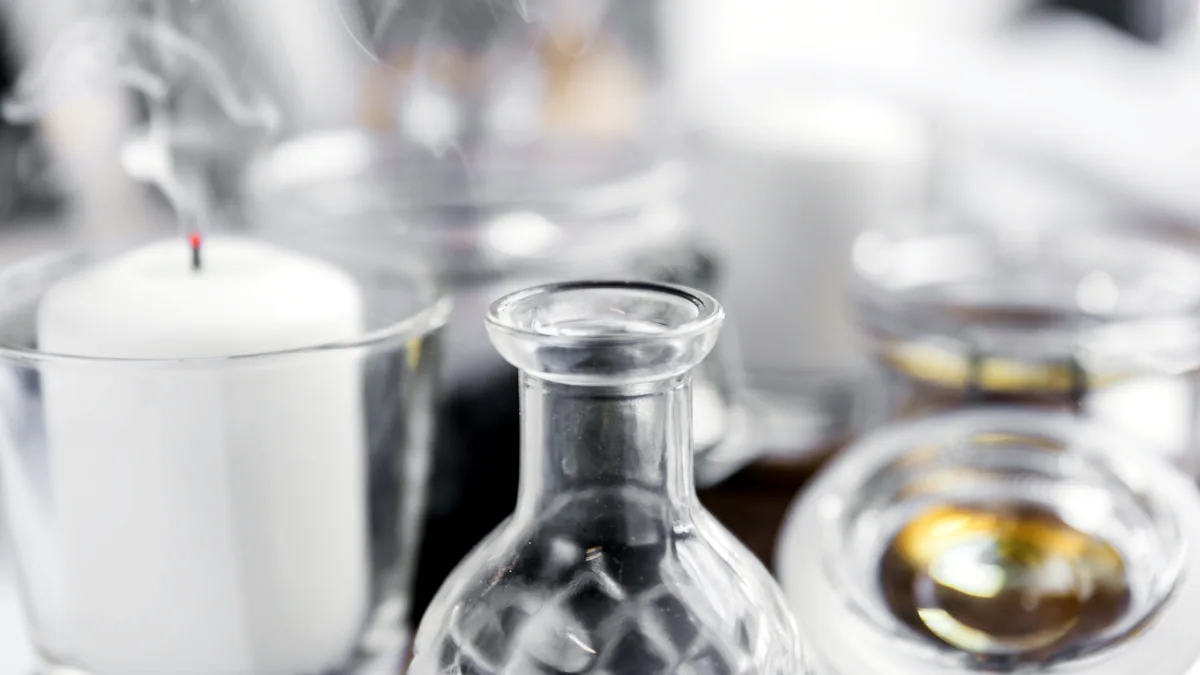
A typical session covers 2 to 3 candle types, gives you a 3 to 5 inch jar to take home, and costs between 25 and 60 pounds depending on the venue and whether materials are included. They run in community halls, craft studios, senior centers, and online platforms, and they are open to adults of every experience level, including older adults who have never touched a candle kit before. For the person searching "candle making classes near me," the practical answer is to check your local community center calendar, a nearby craft studio schedule, or an online marketplace such as Eventbrite or a regional senior activities board, where a simple search for "candle workshop" or "candle making class" returns a list of sessions within a few miles.
These workshops sit alongside other Art & Craft Projects for Older Adults and are a natural first step into Candle Making at Home. If you are weighing whether a candle project will eventually lead to Candle Making Profitability as a small side income, or whether a gentler hands-on option like A Flower Arranging Class for Seniors suits your schedule better, this page lays out what a candle class actually involves so you can compare options before you book a seat.
What a Candle Making Class Covers
What a candle making class covers is the same 4-step sequence you would follow for Candle Making at Home: melt, pour, set, and finish. A standard 2.5-hour workshop breaks down like this. The first 15 minutes are a safety and materials briefing. The instructor shows you a thermometer (wax reaches its pour point at about 65 to 70 degrees Celsius, or 150 to 160 degrees Fahrenheit), a wick centering tool, and the difference between soy, paraffin, and beeswax. The next 60 to 75 minutes are the pour itself: you heat wax in a double boiler or a dedicated melting pot, stir in fragrance oil at roughly 1 drop per 1 ounce of wax, and pour into a 3 to 5 inch glass jar with a pre-tabbed wick. The final 30 to 45 minutes are the set-and-trim stage. You leave the candles to cool, usually 1 to 2 hours, then cut the wick to about 0.25 inches above the wax pool and cap the jar. Most classes let you take home 2 to 3 finished candles and a written recipe card so you can repeat the process at home. The information sheet you receive typically lists the wax brand, the fragrance load percentage (usually 6 to 10 percent by weight), and a cure time of 7 to 14 days before the first burn.
How to Find a Candle Making Class Near You
How to find a candle making class near you comes down to 3 search paths, and the right one depends on whether you prefer an in-person room or a screen. Start with an in-person search, if you want the feel of real wax and a shared table with other participants.
- Check your local community center or library bulletin board; many run a seasonal "seniors' craft night" that includes a candle pour once a month.
- Search Eventbrite, a regional activities directory, or a Facebook group for your town using the words "candle making workshop" or "candle class" plus your postcode or zip code.
- Call a nearby craft supply store or a small business that sells candles; several offer a drop-in class every Saturday morning from 10:00 to 12:30.
Move to an online search, if your mobility or distance to a studio makes a physical class inconvenient. Platforms such as CreativeLive, Udemy, and YouTube host structured candle making courses, and a few local instructors now run a live 90-minute video session where you follow along at your own kitchen table. The online option is cheaper, often 10 to 30 pounds for a recorded course, but you need to buy your own wax, wick, and jar beforehand. A useful filter: look for a course that includes a downloadable materials list and a 30-minute Q&A call with the instructor, because that is the piece that replaces the in-person safety briefing. If you are exploring more than one craft, note that a flower arranging session and a candle workshop often run in the same studio on alternating weeks, so you can sample both before committing to a monthly class.
What to Expect in Your First Session
What to expect in your first session is a slower, gentler pace than a video tutorial, and that is the point. A beginner-friendly class (sometimes labelled "candle making for dummies" on a booking page) keeps the group under 10 people so the instructor can watch every pour. Expect these 5 elements:
- A 10-minute welcome where the instructor demonstrates a correct pour and flags the 2 things that go wrong most often: over-pouring fragrance and setting the wick off center.
- A materials table with a shared pot of wax, 6 to 10 fragrance options, and jars in 3 sizes, so you can compare a 4-ounce tumbler against a 2-ounce tealight cup.
- Hands-on pouring time of about 45 minutes, during which you work at your own speed and the instructor circulates with a thermometer.
- A cooling break of 1 to 2 hours, which many venues fill with tea, a short chat about wax chemistry, and a look at the instructor's own 12-scent test shelf.
- A trim-and-pack step where you cut your wick, label the jar with the scent name and pour date, and bag the candle to take home.
By the time you leave, you hold a finished 3 to 5 inch candle, a recipe card, and a clear sense of whether you want to keep pouring at home or join the next class in a week. The whole session costs 25 to 60 pounds in most UK and US venues, and that price covers wax, wick, jar, fragrance, and the instructor's time.
Is Candle Making Worth It and How Difficult Is It
Is candle making worth it, and how difficult is it? The short answer: yes, it is worth it for the sensory payoff, and no, it is not difficult once you understand the 4-step sequence. Difficulty breaks down by skill layer. The physical layer is easy: you pour, you stir, you trim. The precision layer is where beginners feel the learning curve, and it centers on 3 variables: pour temperature (a 5-degree swing changes how well fragrance bonds to the wax), wick size (a wick that is too small for a 3-inch jar produces a small flame and a tunnelled burn), and cure time (soy wax needs 7 to 14 days for the fragrance to settle fully). A first candle made in a class will not be a museum piece; it will have a small bubble or a slightly uneven surface, and that is normal. The second candle you pour at home, using the recipe card from class, usually looks better. The sensory value is the real draw for older adults: the smell of warm soy wax, the slow pour of amber liquid into a glass jar, the quiet focus of trimming a wick to 0.25 inches. These are the same 3 senses a flower arranging session engages, and many participants rotate between the two to keep the craft table fresh. If you are thinking about candle making as a business, the profitability math is a separate conversation, but the class itself costs you one afternoon and gives you a skill you can repeat for the price of wax and a jar, roughly 5 to 8 pounds per candle at home.
Candle Making for Diwali and Other Seasonal Projects
Candle making for Diwali and other seasonal projects is where the 4-step process gets a specific cultural shape. Diwali, the festival of lights observed each year in October or November, calls for small, hand-dipped diyas and pillar candles in warm scents such as sandalwood, jasmine, and orange blossom. A seasonal workshop built around Diwali typically runs 2 hours and produces 5 to 7 small candles per person. The wax of choice is often beeswax or a soy blend, because it burns at a lower temperature and suits a small, close-fitting clay or brass diya holder. The wick is shorter, about 0.2 inches, and the pour is a thin layer of 0.5 inches deep, not a full 3-inch jar. Beyond Diwali, seasonal themes include lavender and eucalyptus for a winter solstice session, citrus and cinnamon for a holiday market table, and unscented soy for an all-day background burn in a care home common room. The step-by-step process is identical to a standard class; only the vessel, the fragrance, and the wick length change. If your local venue does not run a Diwali-specific workshop, you can apply the same 4-step sequence at home with a 2-ounce tealight mold and a 0.2-inch wick, and the candle is ready to set on a windowsill in under an hour of active work plus a 24-hour cool.
Choosing Between In-Person and Online for an Older Adult
Choosing between in-person and online for an older adult comes back to 3 factors: hands-on guidance, social contact, and cost. The table below lays out the practical differences so you can match the format to your week.
| Factor | In-Person Class | Online Class |
|---|---|---|
| Group size | 6 to 12 people at a shared table | 1 to 3 people on a video call, or solo with a recorded course |
| Duration | 2 to 3 hours at the venue | 45 to 90 minutes at your kitchen table, self-paced for recorded courses |
| Cost | 25 to 60 pounds, materials included | 10 to 30 pounds for a course; 5 to 8 pounds per candle in your own materials |
| Safety briefing | Live, 15 minutes, instructor demonstrates | Recorded video segment or written checklist |
| Social contact | Built in; you chat during the 1 to 2 hour cool | Optional Q&A call, or none |
| Finished product | 2 to 3 candles in branded jars | 1 to 2 candles in jars you supply |
| Best for | First-timers who want guided pours and a room of peers | Repeat makers who want to add a new scent or technique at home |
For an older adult who has never poured a candle, the in-person class is the stronger starting point because the instructor can correct your pour angle before it sets. For a second or third session, an online course keeps the cost low and lets you work at your own pace without a 40-minute drive to a studio. Whichever format you choose, the 4-step process stays the same, and the finished candle on your shelf is the same 3 to 5 inch jar of warm, slowly burning wax.