Is Candle Making Profitable as a Hobby Business?
Candle Making Profitability
Yes, candle making is profitable as a hobby business when it is run like a small trade rather than a gift hobby: a home maker can clear roughly 55% to 70% of each sale as profit, and a steady seller of 6 candles a week lands about 1,500 pounds a year after all costs.
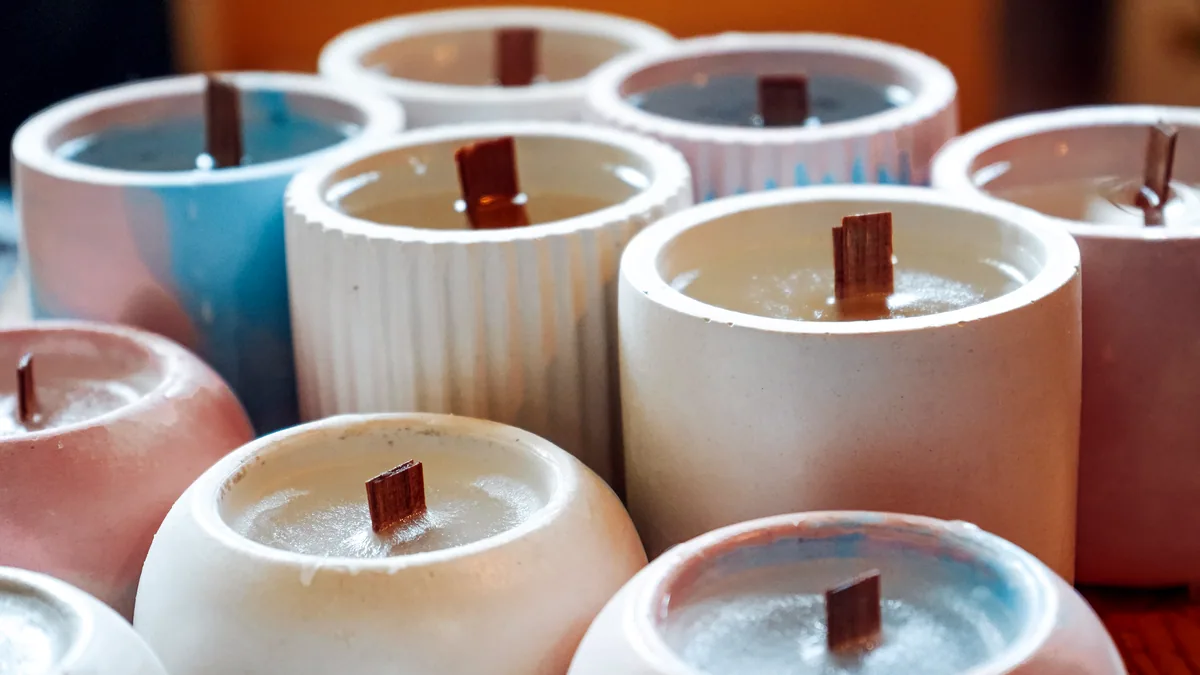
The figure comes from the price a candle commands, the cost of the wax and the wick it holds, and the hours a maker spends pouring, labelling and packaging, and it changes with every choice a maker makes from the wax they buy to the price they print on a label. This page walks through that arithmetic end to end, so a person who makes candles for the joy of it can see exactly where the money is, what it takes to earn it, and what the realistic income looks like once the hobby becomes a business.
Because the numbers depend on the maker, the rest of this page holds three anchors steady. A candle is the unit of everything: every cost, every sale and every hour attaches to one candle or a batch of them. A "profitable" run is one where the maker takes home more than they put in, and that is tested on a single candle first, then on a month. And a "business" here means a home activity that charges real money to real customers and tracks its costs, not a pastime that gives away candles at a fete. The first thing a maker needs is the right start, so the next section moves from the numbers to the materials, then the class that teaches the craft, the home kit that turns the craft into a product, and finally the income that the whole thing produces.
What the profit on one candle looks like
To see the profit, look at one candle before looking at the whole month, because the single candle is where the margin is won or lost. A hand poured soy candle in a 10 ounce glass jar costs its maker about 2 pounds to produce and sells for 8 pounds, which leaves a profit of 6 pounds on a single candle and a margin of 75%. A wax blend candle that uses a fragrance oil of 12% by weight runs a little tighter, at 2.50 pounds of input against a 7 pound sale, for a profit of 4.50 pounds and a margin near 64%. The two examples sit on the same rule: the candle that spends 30% or less of its selling price in wax, wick, jar and label keeps the rest. If a maker prices a candle at 5 pounds but the parts cost 3 pounds, the margin collapses to 40% and the hour of labour barely pays for itself, which is why the price is set from the cost, not the other way round. The margin on one candle is the seed for everything that follows, and it is the number a maker checks before the materials are even bought.
Those margins are not fixed, and three levers move them. A larger jar raises both the cost and the price, and the price usually wins. A fragrance that a customer recognises by name lets a maker charge a pound more without raising the cost. And a batch of 24 candles pours in a single afternoon, so the hours of labour spread thin and the profit per candle climbs. A maker who holds the cost of a 10 ounce jar candle near 2 pounds and keeps the sale at 8 pounds has a margin that survives every one of those levers, and that is the baseline the rest of this page uses.
Where the cost of a candle actually sits
To break down the cost, split it into the four parts that every candle carries: the wax, the wick, the fragrance, and the jar or mould plus the label. In a 10 ounce soy candle the wax is about 1 pound, the wick and the fragrance together about 0.40 pounds, and the jar, label and a twist of ribbon about 0.60 pounds, which adds to the 2 pound input the margin example used above. A paraffin candle costs less in wax, around 0.70 pounds, but it burns faster and buyers pay less, so the saving in the wax does not become a saving in profit. Keeping these four parts separate is what lets a maker spot which line is eating the margin, and it is the habit that separates a hobby that spends from one that sells.
The materials a maker buys and what they cost
The materials are the largest part of the profit picture, because the cost of the wax and the fragrance sets the floor under every price a maker prints. The core list is short and stable. Soy wax is the most common base and buys in 10 pound blocks that pour into roughly 20 of the 10 ounce candles above. A cotton wick in a size matched to the jar costs a few pence each, and a fragrance oil in a 100 ml bottle that carries a 12% load into the wax lasts many months. A glass jar in a size the customer keeps on a shelf costs about 40 pence each when bought in a case of 24, a sticker or a label a few pence, and a lid or a wick tab to finish the pour. The same candle also takes a few consumables the first batch hides: a stainless steel pouring pitcher, a thermometer that reads to 1 degree, and a heat gun to fix a label, which together add about 35 pounds to a starter kit and then are paid for only once. The total for the materials of 24 candles comes to about 48 pounds, and that single number is the one a maker watches when deciding how many candles to pour at a time.
The difference a wax choice makes
To compare the waxes, weigh the three that a home maker most often uses: soy, paraffin and a coconut soy blend. Soy smells the least as it burns, holds a fragrance well, and is the one buyers expect when they buy a candle with a story on the label. Paraffin is the cheapest wax per pound, at roughly 30 pence a pound less than soy, and it throws fragrance strongly, but it melts at a higher temperature and a cautious maker handles it more carefully. A coconut soy blend pours at a gentler heat than pure paraffin and looks smooth in the jar, at a cost about 40 pence a pound above soy. The choice does not change the 2 pound input figure much, but it changes how the candle smells, how long it burns and what a customer will pay to keep, and those three things decide the price a maker can set. The material that a maker buys is therefore a decision about the customer, not just a decision about the wax.
The class that turns a hobby into a skill
Before the income, there is the skill, and the shortest path to it is a hands on class rather than a shelf of videos. A beginner pouring a first batch of 24 candles will waste wax on a too hot pour, on a wick that curls, and on a fragrance that flashes off in a hot room, and a single class removes most of that waste before a single pound of wax is lost. The class is usually a 3 hour session in a small group of 8 to 10, and it covers the pour, the cure, and the label, which is the same three steps a maker repeats at home every week. For a person who makes candles as part of a wider set of pastimes, a class of this kind fits beside the other things they already do, such as a weekly craft circle, a potter's wheel on a Saturday, or a group that takes on the Art & Craft Projects for Older Adults that keep a mind active and a hand busy. The class is the one expense that buys back hours, and a maker who has poured a candle in a room before will pour a cleaner candle at home, which is a direct saving in the waste that the cost section above counted.
What a maker learns before the first sale
To name what the class covers, list the four skills a new maker needs before a candle is ever priced. Reading a thermometer so the wax is poured at 135 degrees Fahrenheit instead of 160. Trimming a wick to a height of 14 millimetres so the flame stays steady. Letting a candle cure for 2 to 3 days before it sells, which deepens the scent and justifies a higher price. And labelling the jar with a batch number so a maker can trace any problem back to the pour that made it. None of these costs money once the class is done, and all four of them raise the quality of a candle enough that a customer pays the 8 pound price instead of the 5 pound one. The class is the bridge from the materials to the product, and it is where a hobby first becomes something a customer will buy.
The home setup that makes the making happen
After the class, the making happens at home, and the home setup is the second cost after the materials. The kit is small and it fits on one work surface. A double boiler or a wax melting pitcher on a hot plate handles the heat, the thermometer reads the wax, a set of jars holds the pour, and a wick centring tool keeps the flame in the middle. A small worktop in a corner of a kitchen or a spare room holds the whole set, and the room only needs to be warm enough that the wax does not skin over as it cools. The one rule the home maker follows is safety first, because the wax is hot and the room holds flammable paper, so a heat mat and a closed window are part of the setup, not an optional extra. The cost of the setup, the 35 pound starter kit named earlier plus a hot plate at 40 pounds, is spent once and then serves every batch, so it comes out of the profit of the first few months and is gone after. The home setup is what turns the materials into a steady supply of candles, and it is the difference between a maker who pours now and one who pours on a good day.
The space and the rhythm of a home studio
To describe the rhythm, picture the week a home maker keeps. A pour takes 3 hours for a batch of 24, and it happens once a week, usually on a morning when the room is clear. The candles cure for 2 to 3 days, and the maker labels and packs them on the day after the pour. The work is small in the way that suits a later life, a task that fills a morning and leaves the afternoon free, and it sits comfortably beside the other regular things a person does, the kind of Hands-on activities for later life that keep the hands occupied and the mind on a single job at a time. The home setup does not demand a workshop, and it does not demand more than one person's attention at a time, which is exactly what makes the hobby business workable for a maker who runs it from a kitchen corner. The space is the quiet partner of the materials, and together they are what a buyer never sees but is paying for in every candle.
Where the candles sell and what they fetch
After the making, the selling is where the profit is collected, and the price a candle fetches depends on where it is sold. A local market stall sells at 8 pounds and takes the full margin, but it costs the maker a day of their time and a stall fee of 10 pounds a market day. An online shop sells at 9 pounds after a postage of 2 pounds, and it reaches customers a town over, at the cost of packing each order and of a small fee to the platform that lists them. A gift basket sold through a local shop sells the candle at 12 pounds inside the basket, and the maker is paid a wholesale price of 5 pounds, which is less per candle but moves the stock without the maker lifting a jar. The three channels pay differently, and a maker who blends them, a market day a month, a steady online shop, and a couple of wholesale baskets a season, spreads the risk and keeps the average sale near 8.50 pounds. The channel is the last lever on the margin, and it is the one that decides whether the 6 pound profit on a candle reaches the maker or stays in the fee.
How a price is set and kept
To set a price, a maker starts from the cost and works up, not from the mood and works down. The cost of the materials for a 10 ounce candle is the 2 pounds named at the start, the labour of the pour spreads to about 50 pence a candle over a batch of 24, and the overhead of the setup and the packaging comes to about 30 pence, which puts the true cost at 2.80 pounds. A maker who wants a margin of 64% sets the price at 8 pounds and checks that no other candle in the shop is priced lower, because a buyer compares. The price is kept the same on the jar, on the online shop and in the basket, so the fact that a candle costs what it costs is never contradicted by a different label. The price is the maker's signature on the work, and it is the number that turns the whole chain from the wax to the customer into a business that pays.
The realistic income a hobby business makes
To put a number on the year, build it from the week, because the year is just 52 weeks of the same pour. A maker who sells 6 candles a week at an average of 8.50 pounds takes in 51 pounds a week in sales, which is 2,652 pounds a year. The materials for those candles cost 2 pounds each, which is 780 pounds a year, and the overhead of the setup, the packaging and the market stalls comes to about 200 pounds, leaving a profit of 1,672 pounds a year on a hobby business that takes one morning a week. That is not a salary and it is not meant to be, but it is real money, and it is the figure a maker who pours for the joy and sells for the change can honestly expect. A maker who doubles the batch to 12 candles a week does not double the hours, because the pour still takes 3 hours, and the profit climbs past 3,000 pounds a year, which is where a hobby business begins to look like a small trade. The realistic income is the honest end of this page, and it is the number that tells a maker whether the candle is worth the morning.
What a maker does as the numbers grow
As the numbers grow, the maker makes three changes that keep the business honest. They keep the cost of the candle under the 2 pound line by buying the wax in the 10 pound blocks and the jars in cases of 24. They keep the price the same on every channel, so the buyer at the market and the buyer online meet the same number. And they keep the records, a simple sheet that logs the cost, the sale and the hour, so the profit of the year is a fact and not a guess. A maker who wants to grow beyond the kitchen corner can look for a place to learn the trade more deeply, such as a Find a Candle Making Class that teaches the business side as well as the pour, and the maker who wants to keep it a hobby simply stops at the morning and lets the candle be the limit. The income grows only as far as the maker wants it to, and that is the whole of the profit, the freedom to choose how much of the morning the candle is allowed to take.
A maker who makes candles as part of a home life, the kind of Candle Making at Home that fits into a week without owning it, ends up with a business that is measured in the 6 pounds on a single candle and the 1,672 pounds on a steady year. The profit is real, it is built from the wax, the class, the home setup and the channel, and it is only as large as the maker lets it grow. The candle that started this page as a 10 ounce jar with a 2 pound cost is the same candle that ends it as a business that pays, and the distance between those two facts is exactly the work a maker chooses to do.