Easy Grip Activities for Seniors with Joint Problems
Activities for seniors with joint problems
Easy grip activities for seniors with joint problems are hands-on making tasks built around 3 simple moves: hold a tool with a fat handle, apply pressure with the whole wrist instead of the fingers, and finish each piece in under 10 minutes so no joint has to stay loaded.
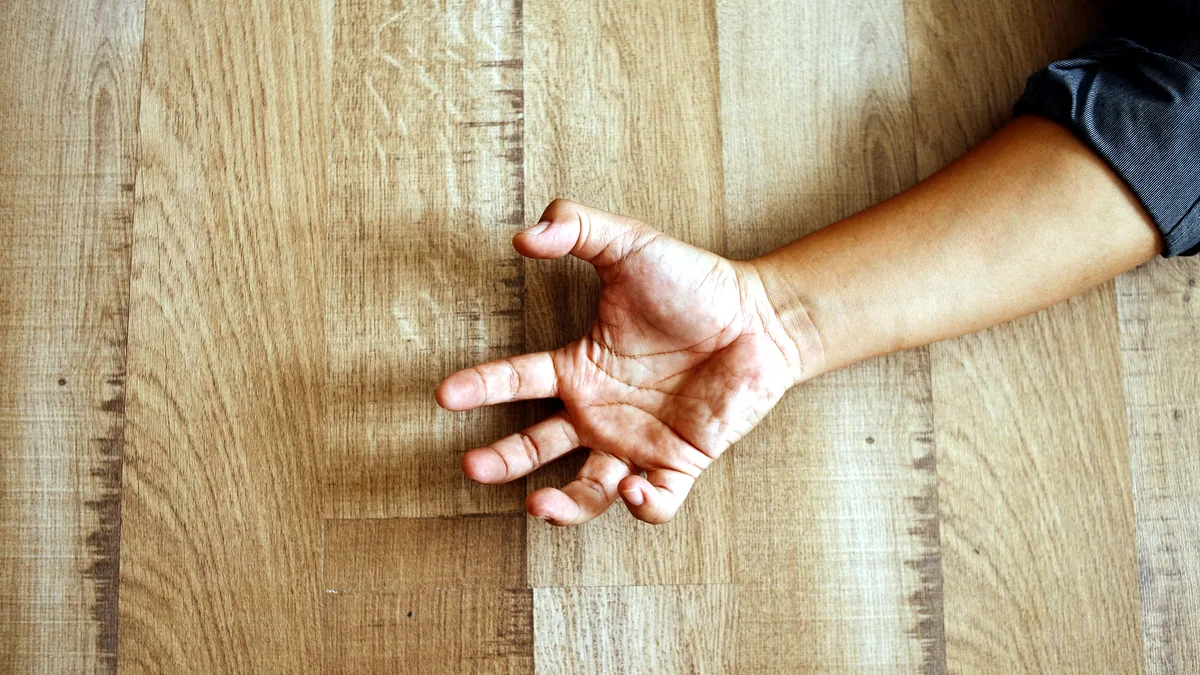
For a person living with arthritis in the hands or a stiff shoulder, that is the difference between an activity that still reaches them and one that ends in a dropped spoon. Every example on this page is a thing a person can pick up and make or do today, using materials that cost under 5 pounds (about 6 euros) per session, and each one is rated here from 1 to 5 on how little grip it demands. The central idea is a single one: an activity for an elderly person works when the tool does the gripping and the person does the making, so the goal is to shift the load off the small joints of the hand and onto the forearm, the wrist and the table.
Why grip is the real limit
The first thing to understand is why grip is the real limit. Arthritis in the hands is usually osteoarthritis, the wear-and-tear kind, and it shows up as pain in the base of the thumb and in the small joints of the fingers, and it gets worse after a task that keeps those joints bent. A task that needs a pencil grip, a firm pinching, or a twisting of the wrist will tire a person in 5 minutes even when the person is otherwise active. The fix is not to do less, but to change what holds the load. The load has to move from the fingers to the wrist and the forearm, and then to the table or a board that is pinned down. Once you read a task as a question of where the load sits, the rest of this page is a set of moves that put the load somewhere a joint can take.
- Move the load from the fingers to the wrist
- Move the load from the wrist to the forearm
- Move the load from the forearm to a pinned-down board
That last step is the quiet workhorse. A board, a clipboard or a large piece of card taped to the table turns any cutting or folding task from a grip test into a steady hand guide. The hand only has to hold the tool flat; the board does the holding. It is the single change that makes a craft activity for a senior possible when it would otherwise be a fight.
The materials that do the holding
Choosing the right materials means choosing the ones that do the holding. The rule is to buy or make the tool with a fat grip, a low-force action and a large flat face. Below are the 5 materials that come back again and again, with the grip demand each one actually needs on a scale of 1 to 5, where 5 is the gentlest.
| Material | Why it works | Grip demand (1 to 5) | Where it fits |
|---|---|---|---|
| Foam tube on the tool | Adds 3 to 4 cm of soft grip | 4 | Knives, paintbrushes, pens |
| Scissors with 4 cm loops | Opens on the palm, not the pinch | 5 | Cutting card, felt, paper |
| Pre-cut felt and ribbon | No cutting at all to start | 5 | Assembling, gluing, layering |
| Large soft foam blocks | Whole hand wraps around one block | 5 | Building, stacking, pressing |
| Wax or crayon, 2 fingers thick | Sticks to paper without a tight hold | 4 | Drawing, colouring, texture |
The foam tube is the cheapest of the 5. You slide it onto the handle of an ordinary tool for under 1 pound, and it turns a thin grip into a palm-sized one. It is the first thing to buy before anything else, because it upgrades a whole drawer of existing tools at once. Everything after this section is a way of using these materials in a task that still reaches the person.
Three group activities that fill a day
Group activities that fill a day work best when each one is short, hands-on and ends with a piece the person made. For a room in a home, a care home or a community centre in a city such as Edmonton, London Ontario or Geelong, the 3 activities below sit in the morning, the midday and the afternoon, and each one keeps a joint loaded for no more than 20 minutes before a rest. They are sized for 6 to 10 people at one table, which is the group size that keeps the noise down and the helpers close enough to adjust a grip on the fly.
Morning: layered felt flowers
In the morning the hands are usually stiffest, so the task is the gentlest. Everyone cuts 5 pre-cut felt circles, no smaller than 6 cm across, stacks them and presses a 1 inch foam tube in the middle with a thumb. The only grip in the whole task is the press of the thumb, and the board holds the circle flat. A table of 6 people makes a row of flowers in about 25 minutes, and the finished pieces go on a window ledge where everyone can see them.
Midday: paint and press cards
By midday the hands have warmed, so the task adds one more move. A person loads a large soft foam block with paint, presses it flat onto a card, and lifts it straight up. The load sits on the palm of the whole hand, not the fingers, which is exactly the move a stiff wrist can do. Three colours and four cards is a full half hour, and the cards become a small set to take home.
Afternoon: ribbon and bead stringing
The afternoon task uses the one fine skill that is still in reach, stringing a wide ribbon through large wooden beads. The beads are 2 cm across, big enough that a thumb and a single finger can find them without a pinch, and the ribbon is held in a small cup so it does not run off. A person makes one bracelet in 15 minutes, and the group finishes the day with something wearable that they made with their own two hands.
Art and craft that still fit the hands
Art activities for seniors and craft activities for seniors are the same question wearing a different hat: can the hand do the making without a tight grip? The answer is yes when the tool is fat, the surface is large and the task is broken into 3 steps instead of 1 long one. The 4 formats below are the ones that keep a joint loaded for the shortest time, and they are listed in the order they get easier on the hand.
- Press painting with foam blocks and broad wax crayons
- Layering and gluing pre-cut shapes onto a card
- Wrapping a fat gift with wide tape and a ribbon loop
- Stringing large beads onto a thick ribbon
Each of the 4 formats has a version that a homebound person can do alone at a kitchen table, and a version that a group can do together at a long table. The wrapping task is the one to reach for first, because it uses the whole hand, it takes a real object like a book or a tin, and it ends with a finished thing that looks like a present. It is the craft that most often changes a person's mind, because it is not a craft at all; it is a job, and a job is something hands are good at even on a bad day.
Setting up the table and the room
Setting up the table and the room is the last part, and it is the part that makes the difference between an activity that still reaches them and one that does not. Pin every board to the table with 4 pieces of tape, put the fat tools within a hand's reach of every seat, and leave a 30 cm clear space in front of each person so a forearm can rest without a bump. In a warm climate or an outdoor stretch in a place like Brisbane or the Gold Coast, do the pressing and painting indoors where the light is even, and save the showing off for outside. The setup takes 10 minutes for a table of 8, and it is the 10 minutes that lets the person do the making with their whole hand instead of their fingers.
When the board is pinned, the tools are fat and the rest breaks are in, an easy grip activity for a senior is not a smaller version of an old activity; it is a different load on a different joint, and that is what still reaches them on a day when the arthritis is loud. The materials cost under 5 pounds, the setup takes 10 minutes, and the person walks away holding the thing they made, which is the whole point of the activity from start to finish.