Sensory Play Activities for Group and Solo Use
Sensory play activities
Sensory play activities are hands-on tasks that put a material in the hands of an older person to exercise 5 of the 6 human senses, and they work the same whether a person does them alone at a kitchen table or with a group of 6 in a day centre.
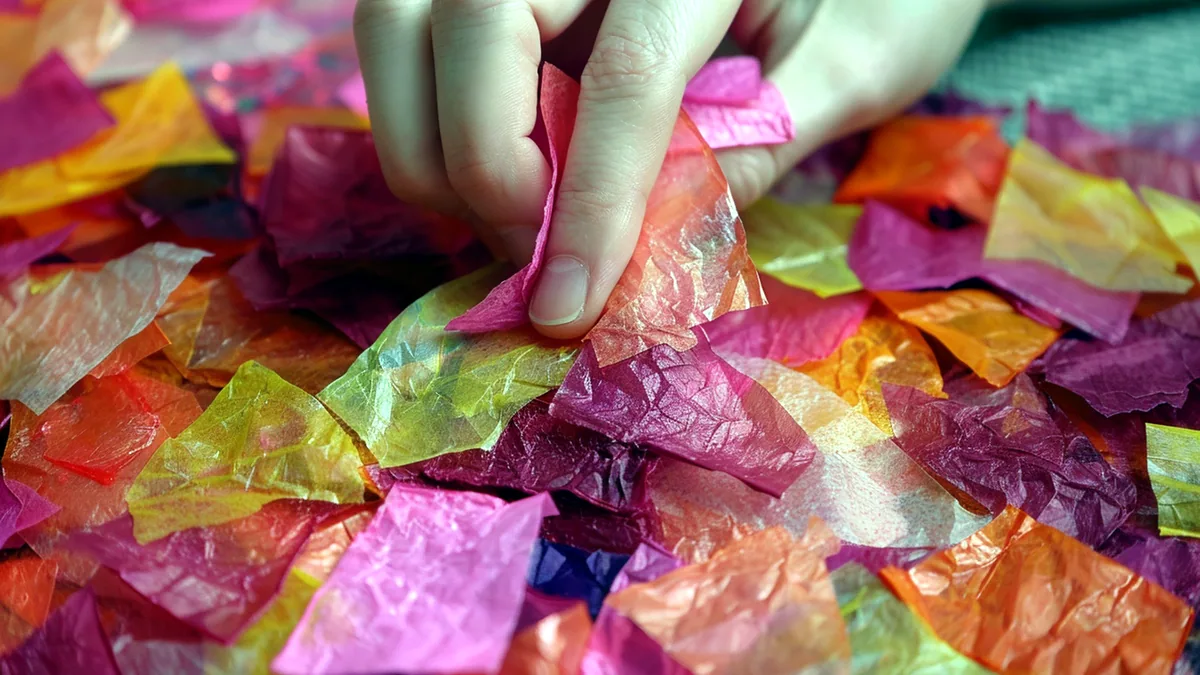
The definition holds at both ends of a room: a person who stirs 1 pot of rice while it is still warm is doing the same activity as a group that races to stack 12 cups on a shared tray, and the only difference between the two is the number of hands on the material. What follows is a set of these activities, each broken into the materials needed, the step-by-step process, and the sensory or social purpose it serves, so you can pick up any one of them and start today.
The term covers a wide family, from a Sensory therapy for older adults programme that a care team runs over a month, to a single quiet activity that a family member sets up for 15 minutes in the afternoon. Because the word is broad, the rest of this page sorts the family into the settings it is actually used in: solo time, group time, building work, and a full day of it.
What sensory stimulation activities are
Sensory stimulation activities are the whole of this family, and they fall into 3 buckets by the sense they load hardest: touch, which includes textured balls, cool metal spoons, and warm water at about 40 degrees Celsius (104 degrees Fahrenheit); smell, which includes dried lavender, fresh coffee grounds, and orange peel; and sound, which includes shakers, a small drum, and a shaker made by shaking rice inside a sealed 500 millilitre bottle. A single activity can load 2 buckets at once, and a good setup stacks all 3. The stimulation is the point: the goal is a felt response in the hand, the nose, or the ear, not a correct answer on the table.
Solo activities for one person
Solo sensory play activities give 1 person full control over the pace, so they suit a bedroom, a care home room, or a quiet chair by the window. Here are 3 that a person can do alone.
- Warm rice jar: heat 1 cup (about 240 grams) of uncooked rice in a microwave for 40 seconds, pour it into a sealed glass jar, and let the person hold it for 5 minutes while it cools, which gives 15 minutes of gentle touch and warmth.
- Smell tray: place 4 small bowls in a row, fill them with dried lavender, fresh coffee, orange peel, and peppercorn, and ask the person to name each one from the nose alone.
- Texture sort: spread 8 small objects, a sponge, a stone, a coin, a feather, a button, a leaf, a bottle cap, and a soft bead, and ask the person to line them from softest to hardest by feel.
Group activities for a room
Group sensory activities turn the same materials into a shared task, and the social part does as much as the sensory part. The 3 below are built for 4 to 8 people around one table.
- Cup stacking relay: lay out 24 plastic cups and time the group as they build and clear a 3 tier tower 2 rounds, which pairs fine motor control with a 2 minute race.
- Song and shaker: one person leads a simple tune while the others keep rhythm with shakers made from 100 grams of dried beans in a sealed bottle.
- Memory pass: place 12 picture cards face down and have players take turns flipping 2, which is the game of concentration run as a slow, seated round.
Building and making activities
Building sensory activities are the ones where the person makes the thing and then plays with it, and that second step is what keeps a building activity in this family rather than in crafts. The 2 below end with a usable toy.
- Shaker maker: give each person a small sealed jar, 50 grams of dried beans, and 30 seconds to fill and shake, so the group ends with its own set of rhythm tools.
- Card tower: provide 20 index cards and let the group build the tallest free standing stack they can, measuring the winner against a ruler at 20 centimetres or more.
A full sensory day, hour by hour
A sensory day is what a Group activities that fill a day looks like when you lay the hours out, and the plan below is the version a small day centre runs for 8 people over a 4 hour afternoon. Each block uses a different sense so the group never repeats the same load twice in a row.
| Hour | Activity | Materials | Primary sense |
|---|---|---|---|
| 1 | Arrival and warm rice jar | 1 cup of rice, 1 glass jar, a microwave | Touch and warmth |
| 2 | Smell tray naming round | 4 bowls of lavender, coffee, peel, peppercorn | Smell |
| 3 | Cup stacking relay | 24 plastic cups | Movement and sight |
| 4 | Shaker maker and song | Sealed jars, 50 grams of beans each, 1 drum | Sound |
Sensory skills and how to match an activity to the person
Sensory skills activities are the same tasks aimed at a specific ability, and the match is made against the person, not the material. The table below shows which skill each of the activities above targets, so you can pick the one that fits a given person on a given day.
| Skill being worked | Activity that works it | Who it fits best |
|---|---|---|
| Fine motor control | Texture sort and cup stacking | A person with steady hands and 20 minutes of focus |
| Memory and recall | Memory pass and smell tray | A person who still names scents on cue |
| Coordination and rhythm | Song and shaker | A person who keeps time when they hear a beat |
| Stamina and endurance | The full 4 hour sensory day | A group that can sit through 2 changes of activity |
Start with the skill that matters most to the person, choose the matching activity, and scale the group size from 1 person alone to 8 in a room as the day allows. The materials in every row are the ones already listed above, and a set of 8 people can run the whole page in a single afternoon.